
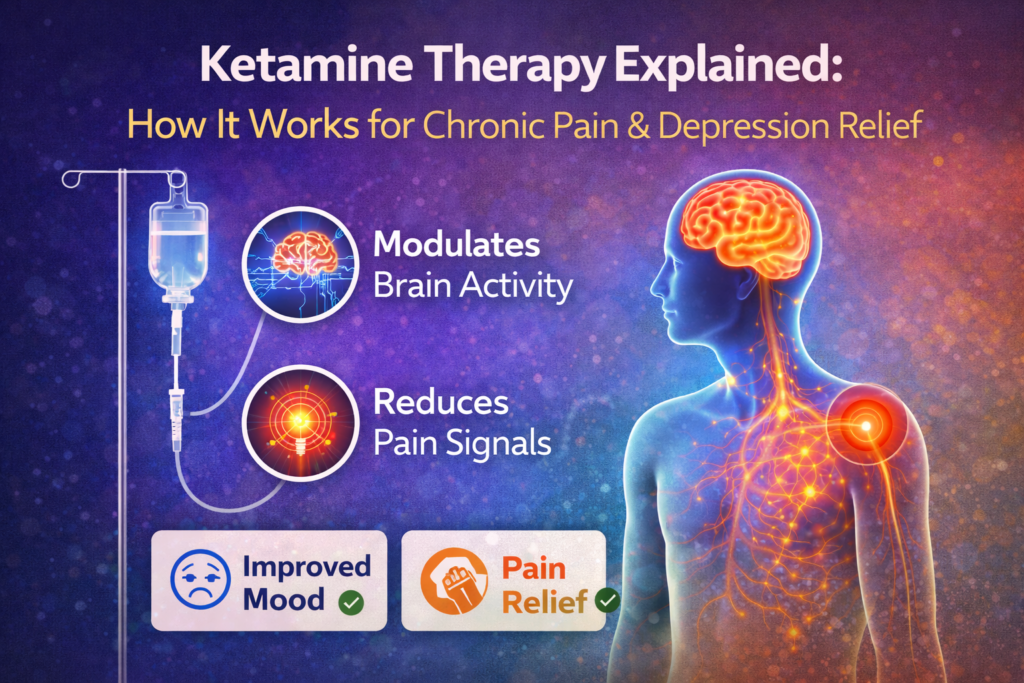
Chronic pain and depression can affect every part of life. Daily tasks feel harder, sleep becomes disrupted, and relationships and work may suffer.
When standard medications fail, many people begin exploring advanced options like ketamine treatment Woodstock GA.
Ketamine therapy works faster than many traditional medications and targets the brain through a unique mechanism.

What Is Ketamine Therapy?
Ketamine was first used as an anesthetic. Over time, doctors discovered it could also help manage severe depression and chronic pain.
It is administered in controlled medical doses through:
• IV Infusions
• Injections
• Nasal spray in specific instances
The doses used for mood and pain management are much lower than those used during surgery. Treatment is provided in a monitored medical environment where patient safety is the top priority.
How It Works in the Brain
Most traditional antidepressants focus on serotonin systems. Ketamine works differently by targeting NMDA receptors in the brain, which are connected to glutamate activity.
Glutamate plays an important role in mood regulation, learning, and nerve signaling.
Ketamine helps by:
• Blocking NMDA receptors.
• Increasing glutamate activity.
• Stimulating new neural connections.
• Supporting brain repair.
This process is known as neuroplasticity. It allows the brain to form healthier neural pathways. Many patients notice improvement within days, and some experience changes even sooner.
How It Helps Chronic Pain
Chronic pain often continues even after an injury has healed. In these cases, the nervous system becomes overly sensitive, and the brain continues sending pain signals.
Ketamine helps calm this response by reducing central sensitization. This lowers pain intensity and improves how the brain processes discomfort.
Patient’s experience:
• Reduced nerve pain
• Improved movement
• Improved sleep
• Decreased reliance on opioids
Conditions such as neuropathic pain, CRPS, and fibromyalgia may respond well to the ketamine therapy.
How It Helps Depression
Treatment-resistant depression can feel overwhelming, especially when multiple medications have failed. One of ketamine’s key advantages is its rapid effect.
It helps to:
• Improve mood
• Reducing suicidal thoughts
• Increase motivation
• Restore emotional balance
Unlike daily oral medications, ketamine is given in a structured series of sessions. Most treatment plans include several sessions over a few weeks, followed by maintenance visits if needed.
Under medical supervision, it may also be considered for anxiety and PTSD.
What to Expect During a Session
A typical session lasts about 40 to 60 minutes. Patients sit and lie down comfortably while medical staff monitors vital signs.
During treatment, some people may feel:
• Light or floaty
• Calm and relaxed
• Slightly disconnected
These sensations disappear as well. Most people go home the same day. It is usually necessary to have a driver.
Side effects are usually mild and may include nausea, dizziness, and temporary increases in blood pressure.
A Complete Care Approach
Ketamine therapy is most effective when combined with a comprehensive treatment plan. Counseling and physical therapy may support results. Regenerative options like PRP Canton may also support long-term pain recovery.
When guided by experienced professionals, ketamine therapy can offer meaningful relief. Nova Spine and Pain Care provides personalized treatment plans focused on long-term relief and a better